
Every hiring manager sees dozens of resumes each week. Most get a glance lasting six seconds before being moved to the rejection pile. The difference between a generic resume and one that lands interviews often comes down to one critical factor: tailoring. Yet most job seekers still submit the same resume to every employer, wondering why their application success rate flatlines.
The truth is harsh. Research on resume review time confirms that recruiters spend minimal seconds evaluating each application. Simultaneously, research on Fortune 500 ATS usage shows that 75% of resumes never reach human eyes because automated systems filter them out first. A tailored resume that speaks directly to the job description and passes ATS screening can increase your callback rate by 50% or more.
This guide walks you through the exact process of tailoring your resume for every job application. Whether you're applying to your dream role or exploring new opportunities, these strategies ensure your qualifications match what employers are actively seeking.
Why Generic Resumes Fail
The 6-Second Resume Scan Reality
Hiring managers operate under time pressure. With dozens of applications to review, they develop a scanning pattern. They're looking for one thing: evidence that you fit the specific role. When your resume doesn't immediately highlight relevant skills, achievements, or experience, you fail that initial scan. A generic resume uses space for accomplishments that don't matter to this particular job, while burying the qualifications that do.
How ATS Systems Filter 75% of Applications
Before any human reads your resume, an applicant tracking system scans it for keywords and formatting compliance. These systems are programmed to match resume content against the job description. They look for specific skills, job titles, years of experience, and technical competencies. If your resume doesn't contain these exact keywords, the ATS rejects your application automatically. A generic resume lacks job-specific keywords because it's designed to fit multiple positions, which means it fits none perfectly.
The 50% Callback Advantage of Tailored Resumes
Job seekers who customize their resumes for each application see dramatically better results. A resume that mirrors the job description, uses matching language, and prioritizes relevant achievements passes ATS screening more often and captures recruiter attention faster. This isn't about lying or inflating your qualifications. It's about strategically presenting your genuine experience in the context that matters most for this specific role.
Step 1: Decode the Job Description
Identify Must-Have vs Nice-to-Have Qualifications
Read the job description carefully and create two lists. The first contains absolute requirements: the skills, certifications, or experience levels non-negotiable for the role. The second lists preferred qualifications that set ideal candidates apart. You must address every must-have qualification on your resume. For nice-to-have skills, include them if you possess them, but don't fabricate gaps in this category.
Extract Critical Keywords and Phrases
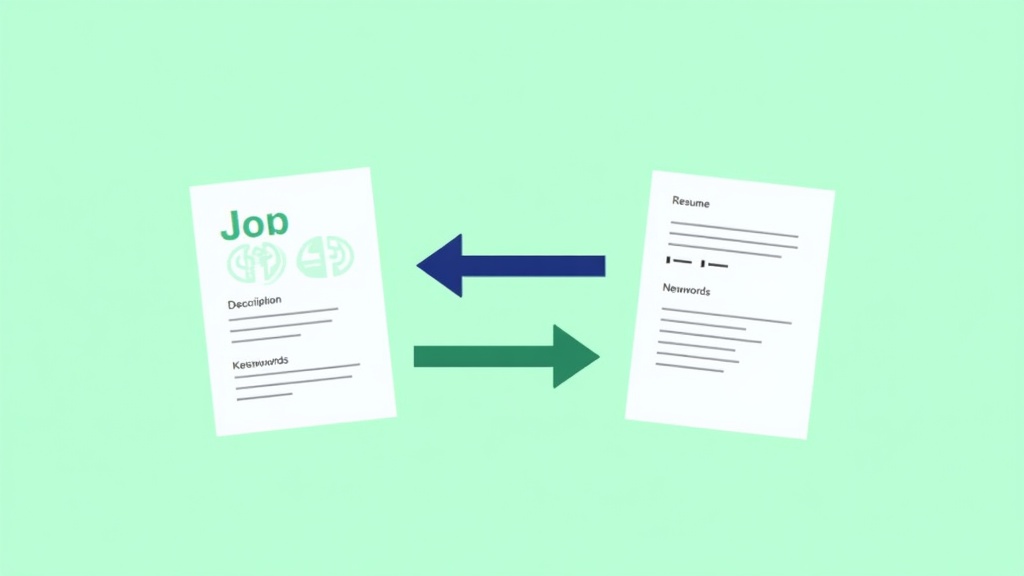
Job descriptions contain keyword signals that ATS systems and recruiters use to evaluate candidates. Copy the job description into a document and highlight every technical skill, software platform, industry term, and job title mentioned. These are your target keywords. Use these exact phrases throughout your tailored resume. For instance, if the job requires "marketing automation platform experience," don't describe it as "email marketing software expertise." Match their language.
Understand Company Culture Signals
Beyond hard skills, job descriptions reveal organizational values. Notice whether they emphasize collaboration, innovation, leadership, or customer focus. Identify how they describe ideal team members. Then ensure your resume demonstrates these cultural attributes through your achievements. If the company values cross-functional collaboration, highlight projects where you worked with diverse teams.
Map Your Experience to Their Requirements
Create a simple matrix. List their key requirements on one side and your relevant experience on the other. This visual map shows you exactly where your background aligns with their needs and where you might need to reframe existing accomplishments to show relevance. This exercise prevents you from assuming alignment where none exists.
Step 2: Customize Your Resume Core Sections
Craft a Targeted Professional Summary
Your professional summary should speak directly to this specific role within the first sentence or two. Instead of a generic overview of your career, state how your experience addresses their primary needs. For example: "Marketing manager with 8 years driving digital campaign growth for SaaS companies, specializing in customer acquisition strategies that increased conversion by 35%." This immediately demonstrates you understand their industry and possess relevant expertise.
Prioritize Relevant Skills Over Comprehensive Lists
Rather than listing every skill you've ever developed, prioritize skills mentioned in the job description. If you have 25 technical competencies but the role emphasizes five, lead with those five. Place secondary skills lower. This approach helps both ATS systems and human readers by signaling what you consider most relevant to this position. Resume Bullet Points That Get Interviews: 5-Step Guide provides deeper insight into how to structure these skills with impact.
Reorder Work Experience by Relevance
You don't always list employment in reverse chronological order exclusively. While dates matter, relevance matters more. If a role from five years ago contains directly applicable experience while your most recent position doesn't, rearrange your descriptions to lead with the relevant role's achievements. This draws attention to what matters most for this specific application.
Align Achievements with Job Requirements
Don't simply copy job duties from old resumes. Instead, highlight achievements that demonstrate the capabilities this job requires. Use the same language they use. If they seek someone who "improved operational efficiency," describe how you "streamlined processes, reducing cycle time by 20%." This creates immediate recognition of your qualifications in both ATS systems and recruiter minds.
Ready to put this into practice? Start with professionally designed templates that make customization easier and faster.
Browse Templates →Step 3: Optimize for Both ATS and Human Readers
Mirror Job Description Language Naturally
Incorporate job description language into your resume, but maintain natural readability. You're not stuffing keywords unnaturally. You're using their terminology because you genuinely possess the skills they describe. This approach satisfies ATS systems while remaining credible and professional for human readers.
Balance Keyword Density with Readability
Including keywords is essential, but overdoing it creates obvious padding that hurts your credibility. Aim for natural keyword integration. If they emphasize "project management," "Agile methodology," and "stakeholder communication," weave these into achievement statements rather than listing them repetitively. AI-powered ATS optimization strategies can help you find the right balance between keyword inclusion and readability.
Format for ATS Compatibility
ATS systems struggle with certain formatting choices. Avoid graphics, text boxes, tables, and unusual fonts. Use standard formatting with consistent section headers. Save as PDF or Word format depending on application instructions. Test your resume's ATS compatibility with a dedicated checker before submitting.
Maintain Professional Visual Appeal
While ATS compatibility matters, so does visual appeal when your resume reaches human eyes. Choose The Best Resume Format: How to Choose the Right One that balances clean design with readability. Your resume should look professional and be easy to scan, regardless of whether it's read by an algorithm or a person.
Conclusion: Your Tailoring Action Plan
Tailoring your resume for every job application isn't a luxury practice reserved for desperate job seekers. It's a fundamental strategy that separates competitive applicants from everyone else. The research is clear: tailored resumes pass ATS screening at higher rates and capture recruiter attention faster than generic alternatives.
The process itself is streamlined once you develop a system. Read the job description carefully. Identify keywords and requirements. Customize your professional summary, skills section, and achievement statements. Verify ATS compatibility. This entire process takes 20 to 30 minutes per application when you have a strong foundation resume to work from. Consider using AI-powered resume optimization tools to accelerate the customization process while maintaining quality and authenticity.
Start implementing these tailoring strategies immediately with your next application. Track which customizations generate interviews. Over time, you'll discover which approach works best for your industry and role type. Remember, your resume is your marketing document. Just as no company uses identical marketing for every audience, you shouldn't use identical resumes for every employer. Tailor, optimize, and watch your callback rate improve.